A fragrant herb with a strong citrus aroma, commonly used in cooking and herbal teas. Thrives in warm climates and has ornamental value.

Welcome to Clelands. Use our expertise, experience and knowledge to create your landscape dreams. For the most cost effective planting, use our design plant by number service.

Lemongrass Lemonkist
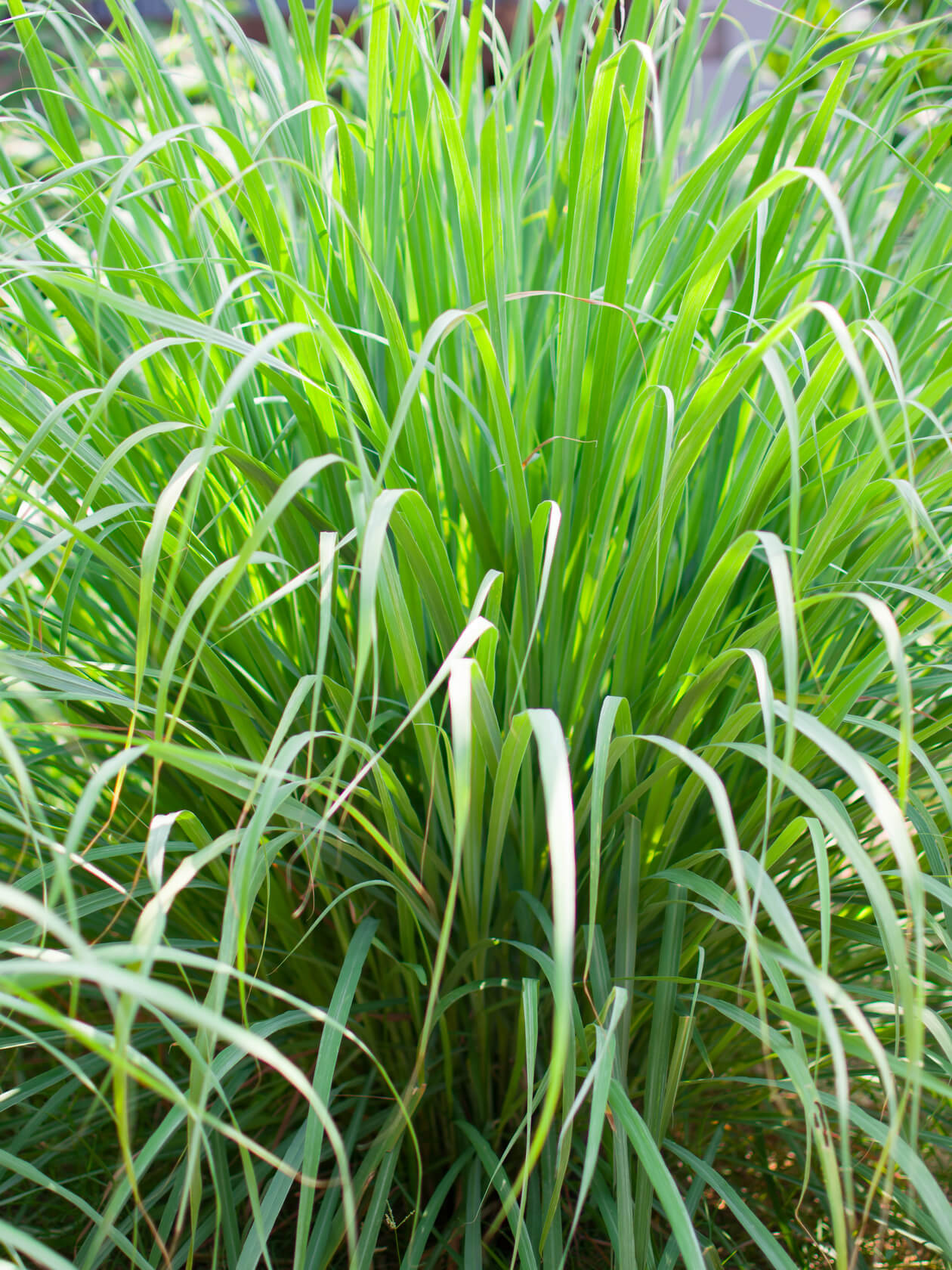
Cymbopogon citratus
A fragrant herb with a strong citrus aroma, commonly used in cooking and herbal teas. Thrives in warm climates and has ornamental value.
$20.20
Care guide:
- Choosing the Right Location
- Sunlight: Prefers full sun. Ensure it gets 6–8 hours of sunlight daily for optimal growth.
- Soil: Thrives in well-drained, fertile soil with good moisture retention, ideally loamy or sandy.
- Spacing: Leave 50–60cm between plants to accommodate their spreading growth habit.
- Planting Time
- Best Time to Plant: Early spring (September–October) after the risk of frost has passed.
- Preparing the Planting Site
- Soil Preparation: Work in compost or well-rotted sheep manure to enrich the soil.
- Digging the Hole: Create a hole deep enough to cover the root system comfortably.
- Watering Hole: Water deeply after planting to establish the roots.
- Planting Lemongrass Lemonkist
- Plant Placement: Position the plant so the root ball is level with the soil surface.
- Support: Stake if planted in a windy location to protect young plants.
- Watering and Fertilising
- Watering: Keep soil consistently moist but not soggy during the growing season. Water deeply during dry spells.
- Fertilising: Apply a nitrogen-rich fertiliser during spring to boost leafy growth.
- Mulching and Maintenance
- Mulching: Use organic mulch around the base to retain moisture and suppress weeds.
- Pruning: Cut back dead or damaged leaves periodically to maintain a tidy appearance.
- Pest and Disease Control
- Pests: Generally pest-resistant, but check for aphids and spider mites in dry conditions.
- Diseases: Watch for fungal issues in overly wet environments. Ensure good air circulation.
- Winter Care
- Hardiness: Protect from frost by mulching or covering with frost cloth in cooler regions.
- Dormancy: Reduce watering as growth slows during winter.
- Common Uses
- Culinary herb – Ideal for teas, curries, and soups.
- Ornamental planting – Adds texture and height to garden borders.
- Companion planting – Repels pests in vegetable gardens.
- Tips for Success
- Harvest regularly to encourage new growth.
- Use in sheltered spots in frost-prone regions for better winter survival.
You might also be interested in
-

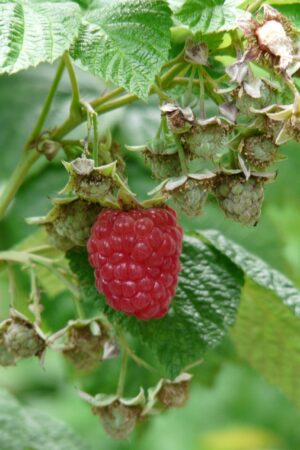
Raspberry Tulameen
$31.75 Select options This product has multiple variants. The options may be chosen on the product page -
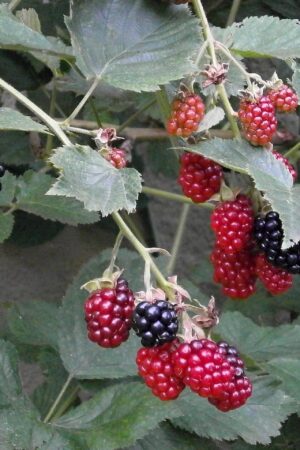
Raspberry Ebony
$31.75 Select options This product has multiple variants. The options may be chosen on the product page -
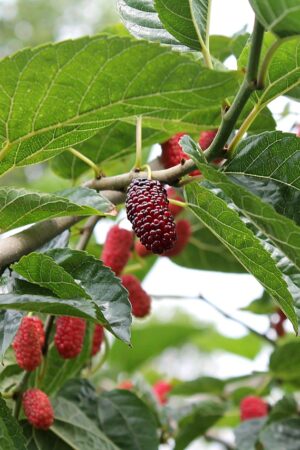
Mulberry Hicks Early
$31.40 Select options This product has multiple variants. The options may be chosen on the product page -
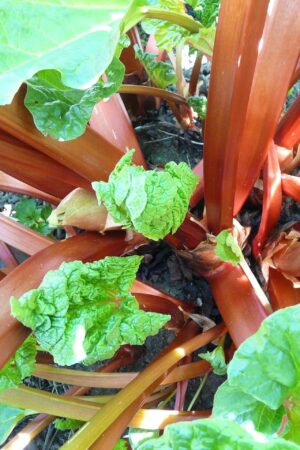
Rhubarb Crimson Sunrise
$21.80 Select options This product has multiple variants. The options may be chosen on the product page